Funeral flowers rules for Kensington and Chelsea council
Posted on 15/10/2026
Funeral flowers rules for Kensington and Chelsea council: a practical local guide
If you are trying to arrange funeral flowers in Kensington and Chelsea, there is a fair chance you want a straight answer, not a maze of vague advice. The rules around funeral flowers rules for Kensington and Chelsea council can feel confusing because they sit somewhere between local venue expectations, cemetery or crematorium etiquette, and the practical reality of getting arrangements there on time. Add grief into the mix, and even choosing between a wreath, spray, or sympathy bouquet can feel oddly difficult.
This guide brings it all together in plain English. You will find what usually matters locally, how funeral flower arrangements are typically handled, what to check before you order, and how to avoid awkward mistakes on the day. We will also look at tribute types, timing, respectful wording, and a few practical things that people often forget until the last minute. To be fair, that last part happens more often than anyone likes to admit.
For families and friends in SW5 and nearby parts of west London, a thoughtful arrangement can do more than decorate a service. It can say what feels hard to say out loud. That is really the point.
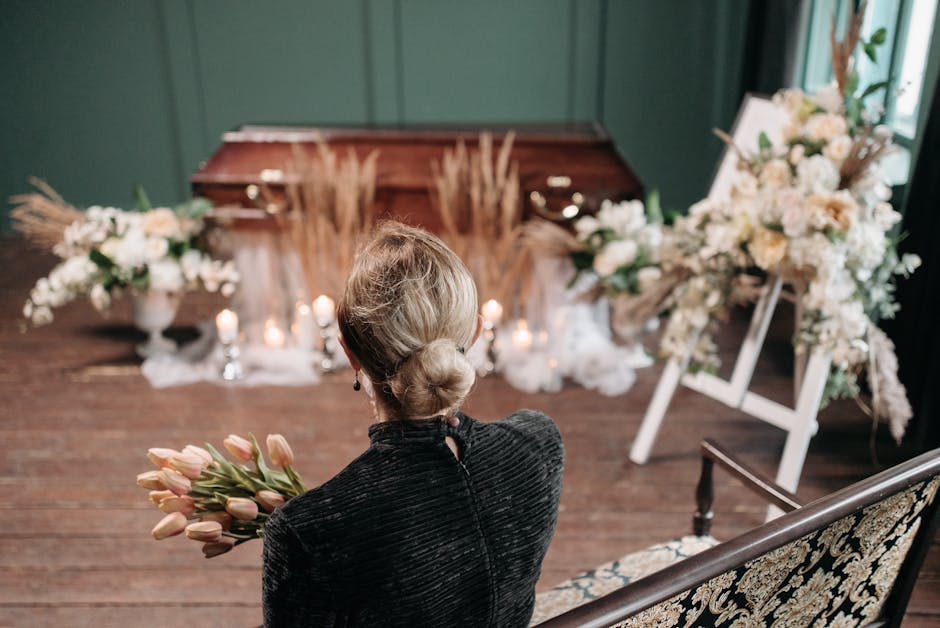
Why Funeral flowers rules for Kensington and Chelsea council Matters
Funeral flowers are not usually about red tape for its own sake. They matter because a service can be highly structured, and flowers need to fit that structure gracefully. In Kensington and Chelsea, as in many parts of London, the practical details may depend on the venue, the officiant, the funeral director, and whether the service is at a church, cemetery, crematorium, or private location. The council itself may be relevant where public spaces, burial grounds, or local permissions come into the picture.
If the arrangements are not checked properly, a few things can go wrong. A tribute might be too large for the available space. A delivery could arrive after the coffin has already gone in. A family may assume a wreath is fine, when the venue prefers a more compact spray. Little issues, yes, but in a funeral setting little issues can feel big.
Understanding the local expectations helps you keep the focus where it belongs: on remembrance, dignity, and support for the family. You also avoid last-minute stress, which is no small thing when emotions are already running high.
Expert summary: The safest approach is to confirm the venue's flower policy early, choose an arrangement suited to the service space, and make sure delivery timing is aligned with the funeral director or venue contact. Simple, but it saves a lot of grief later.
How Funeral flowers rules for Kensington and Chelsea council Works
There is no single universal rulebook for every funeral flower arrangement in the borough. In practice, the rules are shaped by a few overlapping factors:
- the venue's own policy or preferences
- the type of service and whether the flowers are for the coffin, altar, chapel, graveside, or reception
- the size of the tribute
- the delivery window
- whether any items need to be removed after the service
For example, a large casket spray may be ideal for a coffin, while a tribute heart or wreath may be more suitable for display beside the service area. Smaller sympathy arrangements often work better when families want something soft and understated rather than formal. You will also notice that some families prefer white flowers, while others choose soft pinks, lilacs, or mixed pastel shades because they feel gentler and more personal.
Where council involvement matters, it is usually because the flowers are linked to a council-managed burial ground, public cemetery procedures, or another local setting with specific access and timing rules. That is why it is always sensible to check directly with the funeral director or venue rather than assuming the same rule applies everywhere. Truth be told, funeral flowers are one of those things people think are "obvious" until they are not.
What people usually need to confirm
- Where the flowers should be delivered.
- What time the delivery needs to arrive.
- Whether the arrangement must be attached to a card or name tribute.
- Whether certain flowers, sizes, or forms are preferred.
- Who is responsible for collecting arrangements after the service, if needed.
In our experience, that short checklist answers most of the common problems before they become a problem at all.
Key Benefits and Practical Advantages
When you understand the local expectations around funeral flowers, the service tends to feel calmer and more coherent. That sounds obvious, but it genuinely makes a difference. Here are the main benefits.
- Less risk of delivery issues: The flowers are more likely to arrive where they should, when they should.
- Better visual balance: The tribute looks appropriate for the setting rather than overwhelming it.
- More respectful presentation: A suitable arrangement helps support the tone of the service.
- Less stress for the family: Nobody wants to answer flower questions on the morning of the funeral.
- Clearer decision-making: It becomes easier to choose between sprays, wreaths, baskets, and bespoke tributes.
There is also a quieter benefit: certainty. Not complete certainty, because funerals are never fully controllable, but enough certainty to let the day breathe. And that matters more than people realise.
For local customers in Earls Court and nearby areas, a florist familiar with west London deliveries can also help with timing, access points, and the sorts of small logistical details that make a big difference. If you are comparing options, it can help to look at a trusted funeral flowers Earls Court SW5 range that is already designed for sympathy and remembrance occasions.
Who This Is For and When It Makes Sense
This guidance is useful for a few different people, and honestly, they often overlap.
- Immediate family: arranging casket flowers, wreaths, or a main tribute
- Friends and colleagues: sending a respectful sympathy arrangement or card
- Funeral organisers: coordinating deliveries and making sure everything arrives on time
- Florist customers: choosing the right design for a specific venue or service style
- People living outside London: sending flowers into Kensington and Chelsea from elsewhere in the UK
It makes sense to think about these rules as soon as a funeral date is confirmed. That is usually the point where delivery timing, venue size, and tribute type all start to matter. If you wait until the final day, the choices narrow quickly.
Sometimes people also need funeral flowers for a memorial that is not quite a traditional service. Maybe it is a small family gathering, a celebration of life, or a private moment at a graveside. In those situations, the same basic principles still apply: keep the tribute appropriate, clear, and easy to place.
Step-by-Step Guidance
If you want a practical way to handle funeral flowers without overthinking every detail, this is the route I would suggest.
1. Confirm the venue and service type
Start with the basics. Is the service at a church, crematorium, cemetery, or home? Each setting can have different expectations. A crematorium chapel may have limited space, while a graveside service may call for smaller, easier-to-carry arrangements.
2. Ask who is coordinating floral deliveries
Usually the funeral director, family member, or venue contact will tell you where the flowers should go and when they should arrive. Do not assume the florist knows the exact local procedure unless you have shared it clearly.
3. Choose the right type of tribute
Popular choices include wreaths, sprays, casket sprays, hearts, crosses, posies, and baskets. The right option depends on who the flowers are for and how visible they will be at the service.
4. Select colours and flowers that feel right
Traditional choices include white lilies, roses, chrysanthemums, carnations, and mixed seasonal flowers. White is often chosen for a calm, classical feel. Soft pastels can feel gentler. Stronger colours may suit someone with a more vibrant personality. There is no single correct answer here.
5. Add wording carefully
Short messages often work best: "With deepest sympathy," "Forever in our hearts," or a simple name and relationship. If the tribute is from a group, keep it clear. Space is limited, and the message should read cleanly from a little distance.
6. Check the delivery details twice
Time, address, contact name, and any access notes. Twice is not excessive. A lot can happen on funeral days, and even a tiny typo can create stress nobody needs.
7. Plan for collection or removal
Some arrangements stay with the family, while others may be moved after the service. If the flowers are going to a cemetery plot or memorial site, check whether anything needs to be collected afterwards. A quick conversation now prevents a messy afterthought later.
Expert Tips for Better Results
There are a few small decisions that can make your tribute look more thoughtful and less hurried.
- Keep the size in proportion: Bigger is not always better. A medium arrangement placed well can feel more dignified than something oversized and awkward.
- Use seasonal flowers where possible: They often look fresher and can feel more natural, especially in a city setting where timing matters.
- Match the tone of the relationship: A close family tribute usually looks different from a colleague's sympathy bouquet.
- Think about the setting: A bright, airy chapel may suit lighter arrangements, while a graveside tribute might need something sturdier.
- Ask about flower sensitivity: Strongly scented flowers can be beautiful, but some venues or guests may prefer gentler options.
A useful rule of thumb? If you would feel comfortable seeing the arrangement beside the coffin, it is probably on the right track. If it feels too loud, too large, or too decorative, it may be better to simplify. Simple often wins at funerals. Not always, but often.
One more thing: when a family is grieving, clarity beats creativity. That is not me being dull; it is just practical.
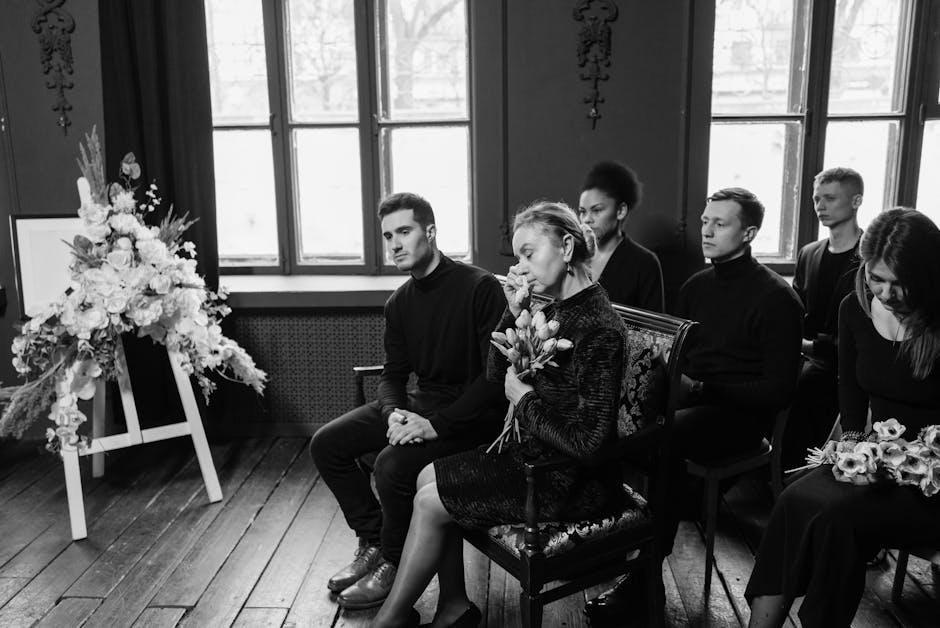
Common Mistakes to Avoid
People make the same avoidable mistakes over and over, usually because they are trying to be kind and fast at the same time. Fair enough. Still, these are worth avoiding.
- Ordering too late: Funeral arrangements often need more lead time than casual flower gifts.
- Choosing the wrong tribute type: A sympathy basket is not the same as a casket spray.
- Ignoring venue size: Some arrangements simply do not suit smaller chapels or tight spaces.
- Forgetting delivery instructions: A vague address can cause delays.
- Using overly long messages: The card may be too small to read neatly.
- Assuming all funeral flowers are allowed everywhere: Venue preferences can differ.
- Overlooking family wishes: If the family has asked for donations only, flowers may not be appropriate.
A small but important point: if the obituary or family notice mentions no flowers, take that seriously. In many cases, it means donations or another form of tribute are preferred. Respecting that request is part of the etiquette, even if you personally prefer flowers.
Tools, Resources and Recommendations
You do not need elaborate tools to get this right, but a few practical resources help.
- Funeral director details: for delivery timing and venue instructions
- Order notes: keep the tribute message, recipient name, and address in one place
- Flower preference list: useful if the family has chosen certain colours or blooms
- Budget range: a clear figure saves a lot of back-and-forth
- Florist catalogue: useful for comparing wreaths, sprays, hearts, baskets, and posies
If you are trying to choose a suitable arrangement quickly, it can help to browse a dedicated sympathy collection such as funeral flowers and tributes or a softer option like sympathy flowers. For more structured tributes, a wreath selection such as wreaths can be a good starting point.
Customers who prefer something elegant and understated often lean toward white designs. If that sounds right, a white-themed collection such as white flowers can be useful. For a more personal tribute, family-name or relationship-based designs can work well too.
Law, Compliance, Standards, or Best Practice
This topic is less about complex law and more about respectful compliance with venue rules, local procedures, and common funeral etiquette. That said, best practice matters.
Here is the simplest way to think about it:
- Follow the venue's instructions first. If the crematorium, church, cemetery, or funeral director has guidance, that guidance takes priority.
- Respect the family's wishes. If they request no flowers, respect that.
- Use appropriate wording. Keep messages considerate and free from jokes or casual language.
- Check accessibility and delivery access. This is especially important in central and west London, where entrances, timings, and parking can be tight.
- Keep arrangements safe and stable. Tributes should be easy to move and unlikely to topple or spill water.
If flowers are being delivered to a council-managed burial area or public location, there may be practical restrictions on placement, size, or the time items can remain in place. Those details can vary, so it is best not to assume. A quick confirmation call is still the safest path.
In the UK, funeral etiquette generally favours discretion, punctuality, and deference to the family's preferences. That is the spirit to follow here. Not flashy. Not overly precious. Just thoughtful and reliable.
Options, Methods, or Comparison Table
Choosing between tribute styles is often the hardest part. This table gives a simple comparison to help you decide.
| Tribute type | Best for | Typical feel | Practical note |
|---|---|---|---|
| Wreath | Formal funerals, collective sympathy | Traditional and balanced | Easy to display and widely accepted |
| Spray | Coffins, altar or front-of-service display | Elegant and floral-heavy | Can be chosen in different sizes |
| Casket spray | Immediate family | Central and highly personal | Usually placed on the coffin |
| Heart | Close family or partner tributes | Intimate and sentimental | Often chosen for a strong emotional message |
| Posy or basket | Friends, colleagues, smaller services | Soft and manageable | Good where space is limited |
| Letter tribute | Names, initials, or family words | Personal and direct | Needs careful spelling and length checks |
There is no "best" choice for everyone. If the family wants a classical look, a wreath or spray often makes sense. If the tribute is from grandchildren, siblings, or a partner, a heart or personalised tribute can feel more intimate. The right answer is the one that fits the person being remembered.
Case Study or Real-World Example
Here is a realistic example from the sort of situation people often face in west London.
A family in Kensington arranged a small crematorium service for a relative who loved white roses and quiet, unfussy details. They initially considered a large coffin spray, but once the venue size was confirmed, that felt too heavy for the room. Instead, they chose a white and green tribute with a clean shape, paired with a small sympathy basket from close friends. The florist delivered both arrangements directly to the venue in the agreed window, and everything was in place before guests arrived.
What made that work? Three things. The venue was checked early, the tribute size matched the room, and the family kept the wording simple. No drama, no last-minute reshuffling, no awkward "where do we put this?" moment at the door. Which, to be honest, is exactly what you want on a day like that.
The family later said the flowers felt like part of the service rather than an extra thing to manage. That is a good outcome. Flowers should support the day, not complicate it.
Practical Checklist
Use this quick checklist before you place the order.
- Confirm the funeral date and service location.
- Check whether the family has asked for flowers or donations only.
- Ask who will receive the delivery.
- Confirm the delivery time window.
- Choose the right tribute type for the relationship and venue.
- Decide on colours, flowers, and size.
- Write a short, respectful card message.
- Double-check spelling of names and titles.
- Confirm any access instructions or restrictions.
- Ask what happens to the flowers after the service.
If you can tick all ten boxes, you are in a strong position. It really is that simple, even if the emotion around it is not simple at all.
Conclusion
The main thing to remember about funeral flowers rules for Kensington and Chelsea council is that local practice is usually about respect, timing, and fit rather than rigid complexity. Once you know the venue, the service type, and the family's wishes, the rest becomes much easier to manage. Choose a tribute that feels appropriate, keep the message short and sincere, and make sure the delivery details are absolutely clear.
Whether you are arranging a wreath, a spray, or a small sympathy bouquet, the best flowers are the ones that arrive calmly, look right in the setting, and help say what words sometimes cannot. That is the quiet value of a good funeral tribute. It holds the moment steady.
Get a free quote today and see how much you can save.
Frequently Asked Questions
What are the funeral flowers rules for Kensington and Chelsea council?
There is not one single universal rule for every situation. In practice, the rules depend on the venue, the type of service, and whether the flowers are going to a council-managed burial ground, a crematorium, or a private ceremony. Always check the specific venue instructions first.
Can I send funeral flowers directly to a crematorium or church in Kensington and Chelsea?
Usually yes, but only if the venue or funeral director has confirmed the delivery details. You should know the correct address, the time window, and the name of the contact person receiving the flowers.
What type of funeral flowers are most appropriate for a council venue?
Smaller, well-structured tributes such as wreaths, sprays, posies, and compact baskets are often suitable. The best choice depends on the available space and the family's preference.
Are wreaths allowed for funerals in Kensington and Chelsea?
In most funeral settings, wreaths are a standard and accepted tribute, but venue preferences can differ. If in doubt, ask the funeral director before ordering.
How far in advance should I order funeral flowers?
As early as possible once the service date is confirmed. Funeral flowers usually need more planning than everyday bouquets, especially if delivery timing is tight or the tribute is personalised.
Can I choose any colour for funeral flowers?
Generally, yes, but the most suitable colours depend on the person being remembered and the tone of the service. White, cream, soft pink, lilac, and gentle mixed shades are common. Strong colours can also be meaningful if they reflect the person's character.
What should I write on a funeral flower card?
Keep it short and sincere. Simple messages like "With deepest sympathy," "Forever in our hearts," or "With love and remembrance" are often enough. If the flowers are from a group, include the names or relationship clearly.
Do funeral flowers need to match the coffin or service style?
They do not need to match exactly, but they should feel coordinated with the overall tone. A formal service often suits classic arrangements, while a more personal memorial may suit softer or more colourful designs.
What if the family has asked for donations instead of flowers?
That request should be respected. If donations are preferred, it is usually best not to send flowers unless the family has said otherwise.
Which is better for a funeral: a wreath or a spray?
Neither is universally better. A wreath is traditional and works well as a sympathy tribute. A spray is often chosen for coffin display or service-side presentation. The right answer depends on the relationship and where the flowers will be placed.
Can funeral flowers be delivered the same day in west London?
Sometimes they can, depending on the florist's availability and delivery cut-off times. For a funeral, though, it is safer not to rely on last-minute ordering unless the florist has confirmed it can be done properly.
What is the most respectful funeral flower choice if I am unsure?
A simple white or soft-toned sympathy arrangement is usually a safe choice when you are unsure. If you want something more formal, a wreath or compact spray is often a reliable option. The key is to keep it thoughtful and not overly elaborate.


